Signs Your Clutch Is Wearing Out
The most common signs your clutch is wearing out include slipping when accelerating, difficulty changing gears, a high biting point, unusual pedal feel and a burning smell. These symptoms often develop gradually, making them easy to overlook until your vehicle becomes difficult to drive.
Whether you drive a manual car, ute or 4WD, recognising clutch problems early can help prevent unexpected breakdowns and expensive repairs. Here's what to look for and when to arrange an inspection.
What Does a Clutch Do?
The clutch connects and disconnects the engine from the transmission, allowing you to change gears smoothly and stop without stalling. Pressing the clutch pedal temporarily disconnects engine power from the gearbox. Releasing it gradually transfers power back to the wheels. A manual clutch typically includes a friction disc, pressure plate, flywheel and release mechanism. Over time, these components can wear, affecting how smoothly the vehicle operates.
How Long Does a Clutch Last?
A clutch can last many years, but its lifespan depends on driving habits, vehicle type and operating conditions. There isn't a fixed replacement interval for every vehicle. Highway driving generally causes less clutch wear than frequent stop-start traffic, heavy towing or carrying substantial loads.
Rather than relying on kilometres alone, monitor changes in clutch performance. A professional inspection can determine whether the clutch needs adjustment, repair or replacement.
Signs Your Clutch Is Wearing Out
Clutch problems often begin with subtle changes in performance. These common worn clutch symptoms can indicate when your vehicle needs attention.
Clutch Slipping When You Accelerate
Clutch slipping occurs when engine revs increase without a matching increase in vehicle speed. You may notice this when accelerating uphill, overtaking or carrying heavy loads. It happens when the clutch cannot maintain a firm connection between the engine and transmission. Repeated slipping generates heat and can damage surrounding components, so arrange an inspection promptly.
A High or Changing Biting Point
The biting point is where the clutch begins transferring power as you release the pedal. A high clutch biting point, particularly one that gradually moves closer to the top of the pedal's travel, may indicate wear. However, biting point position varies between vehicles. Hydraulic or adjustment issues can also cause changes, making professional diagnosis important.
A Burning Smell
A burning clutch smell often resembles overheated friction material. You might notice it after hill starts, heavy traffic or towing. The smell occurs when excessive clutch slipping generates friction and heat. An occasional smell doesn't necessarily mean replacement is required, but recurring burning smells should be investigated before further damage occurs.
Difficulty Changing Gears or Grinding
Difficulty selecting gears or grinding when changing gears can indicate that the clutch isn't disengaging properly. You may experience resistance when selecting first gear or reverse, particularly while stationary. Similar symptoms can result from hydraulic faults, worn gearbox synchronisers or gear selection problems. A mechanic can identify the underlying cause.
A Spongy, Sticky or Heavy Clutch Pedal
Your clutch pedal should operate consistently and return smoothly after being pressed. A spongy clutch pedal may indicate hydraulic problems, while a sticky or unusually heavy pedal could suggest faults in the release mechanism or clutch assembly. Sudden changes in pedal feel deserve attention, especially if they interfere with gear changes.
Noises When You Press or Release the Pedal
Squealing, rattling or grinding noises that change when you operate the clutch pedal may indicate worn components. For example, a failing release bearing can produce noise when pressing the pedal. Other drivetrain problems can create similar sounds, so an inspection is necessary to confirm the cause.
Shuddering When Taking Off
Clutch shudder causes noticeable vibration or juddering as you release the pedal and begin moving. Possible causes include uneven friction surfaces, clutch contamination, flywheel problems or worn engine mounts. If your vehicle regularly shudders during take-off, have the clutch and related components inspected.
What Makes a Clutch Wear Out Faster?
Clutch wear increases when excessive friction or heat develops during driving.
Common causes include:
- Riding the clutch: Resting your foot on the pedal while driving.
- Holding on hills: Using clutch friction instead of the brakes.
- Heavy towing: Placing additional strain on drivetrain components.
- Stop-start traffic: Requiring frequent clutch engagement.
- Aggressive take-offs: Generating unnecessary heat and friction.
- Mechanical faults: Preventing the clutch from engaging correctly.
For Central Coast tradies regularly carrying tools or towing trailers, driving technique and vehicle loading can significantly influence clutch wear.
Can You Keep Driving With a Worn Clutch?
You may be able to drive with mild clutch wear, but continuing to use a slipping or malfunctioning clutch risks further damage. Severe wear can eventually prevent the clutch from transferring enough power to move the vehicle. Disengagement problems can also make changing gears difficult or impossible.
If you notice repeated slipping, strong burning smells or significant gear selection problems, avoid unnecessary driving and seek professional advice. Booking
clutch servicing when symptoms first appear can help identify problems before they become more serious.
Clutch Repair or Replacement: What to Expect
Not every clutch problem requires a complete replacement. The appropriate solution depends on the cause. A mechanic may inspect the pedal mechanism, hydraulic system, clutch operation and transmission components before recommending repairs. Hydraulic faults may only require repairs to the affected components. However, a heavily worn friction disc or pressure plate generally requires clutch replacement. The flywheel and release components should also be checked during replacement. Costs and labour requirements vary depending on the vehicle and repair complexity.
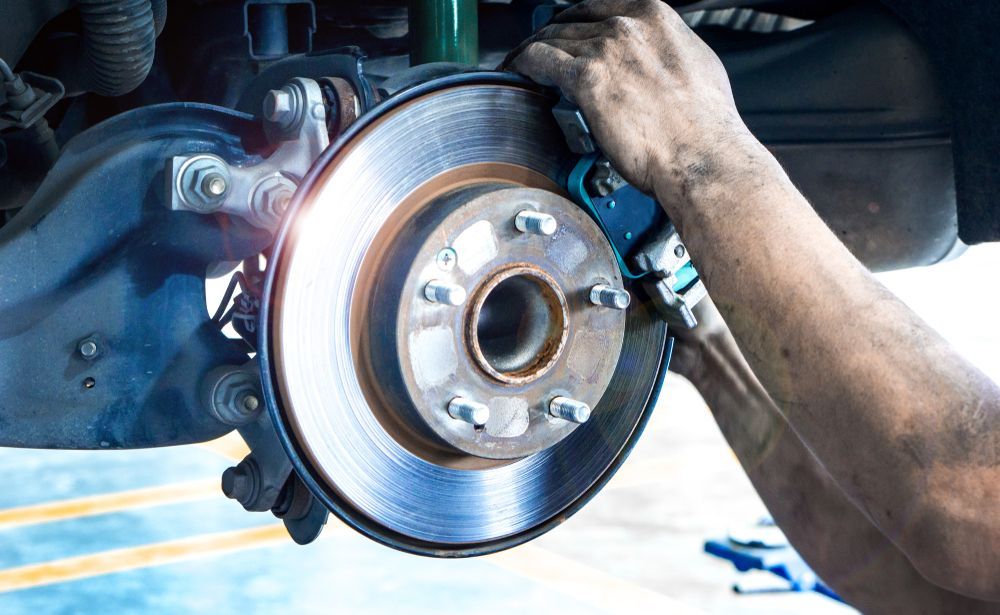
Like clutches, brakes contain components that wear over time. Our guide on
when to replace your brake pads and rotors explains other important warning signs.
Checking the Clutch When Buying a Used Car
A worn clutch isn't always obvious during a short test drive. When considering a used manual vehicle, pay attention to the biting point, pedal feel and smoothness of gear changes. Watch for slipping during acceleration, shuddering when taking off and unusual noises.
Because clutch replacement can be expensive, arranging a professional pre-purchase inspection can help identify potential issues before buying.
Getting Your Clutch Checked by a Mobile Mechanic
Clutch problems rarely improve without attention. If your vehicle feels different when accelerating, changing gears or taking off, a professional inspection can identify whether the issue involves clutch wear, hydraulics or another component. A mobile mechanic on the Central Coast can inspect your vehicle at home or work, helping you avoid unnecessary travel with a struggling clutch. Some repairs may require workshop equipment.
Recognising warning signs early gives you more time to plan repairs and reduce the risk of unexpected breakdowns. If you've noticed any signs your clutch is wearing out, contact All Auto & Mechanical to arrange an inspection. Our team can assess the problem, explain your repair options and recommend the next steps to keep your vehicle operating reliably.
Frequently Asked Questions
What is the first sign of a worn clutch?
Early symptoms often include a changing biting point, slight slipping during acceleration or unusual pedal feel. These signs can have other causes, so an inspection is recommended.
How do I know if my clutch is slipping?
A slipping clutch causes engine revs to increase without a matching rise in vehicle speed. This is often noticeable when accelerating uphill or carrying heavy loads.
Can a worn clutch damage the gearbox?
A slipping clutch can generate excessive heat and damage related components. Difficulty disengaging the clutch can also contribute to gear selection problems and transmission wear.
Does a high biting point always mean the clutch is worn?
No. Some vehicles naturally have a high biting point, while hydraulic or adjustment problems can cause similar changes. A noticeable change in normal operation is worth investigating.
Is it better to repair or replace a clutch?
It depends on the fault. Hydraulic problems may be repairable, while heavily worn friction components generally require replacement.
Recent Posts